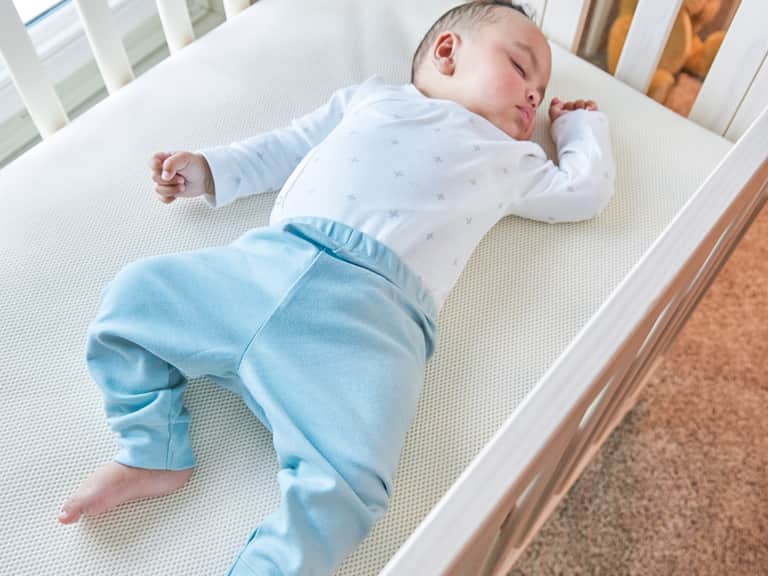
Crib mattresses are purpose-built to fit standard crib dimensions while supporting safe, restful sleep for infants. Key characteristics include appropriate firmness, breathable materials, and rounded edges to minimize gaps. Understanding certifications, verified durability, and non-toxic components helps caregivers choose a mattress that aligns with health and safety guidelines in nursery environments.
Materials used in crib mattresses often prioritize breathability and moisture management. Common features include water-resistant or washable covers, hypoallergenic fabrics, and surface treatments that resist mold and mildew. A well-designed crib mattress reduces heat buildup and maintains a stable sleeping surface, contributing to consistent sleep patterns for babies.
Size compatibility is essential for crib mattresses to ensure a snug fit and prevent gaps that could pose safety risks. Standard dimensions typically range around 28 by 52 inches, with variations in thickness. It is important to verify compatibility with the specific crib model and adjust for any mattress pad or protector layers used in the nursery.
Safety standards and certifications guide the evaluation of crib mattresses. Look for recognized safety labels, flammability tests, and exams that confirm low emissions and minimal off-gassing. Independent testing and reputable brand practices provide assurance about product quality, materials, and construction suitable for infant sleep spaces.
Example product: Naturepedic Organic Mini Crib Mattress demonstrates an emphasis on organic materials, low VOC emissions, and a surface designed for easy cleaning. Features may include waterproof seams, breathable fabric layers, and reinforced edges to maintain structural integrity while supporting safe, comfortable rest in the nursery environment.
 Nursery